

In an era defined by rapid digital transformation and constant noise, the act of pausing to recalibrate has become a radical form of creativity. Entering this space with a definitive sense of purpose is J. Classic Maestro, whose debut instrumental release, 'One More Time' featuring Corey Harvin, serves as a sonic blueprint for resilience. Now streaming on Creative TV, the project transcends the traditional music video format, offering a cinematic exploration of 'intentional motion'—the delicate balance between standing still to reflect and moving forward to innovate. As Maestro marks his inaugural entry into the Web3 creative frontier, we sat down with the composer to discuss the architecture of his sound, the power of the reset, and what it means to lead with vision in a decentralized landscape.
One More Time- J. Classic- Maestro ft. Corey Harvin
One More Time is my debut instrumental release - a reflective, soundtrack-style piece about resets, resilience, and staying in motion. It captures the feeling of pausing, recalibrating, and moving forward with intention. This release marks my first official step sharing music within the Web3 creative space.

DC: One More Time" is described as a "soundtrack-style piece" centered on resilience. Without lyrics to guide the listener, what specific musical motifs or instruments did you utilize to communicate the feeling of "recalibrating"?
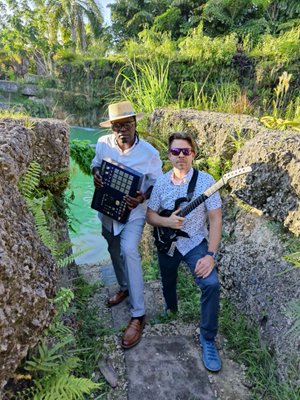
J. Classic: “One More Time” is a soundtrack-inspired instrumental rooted in resilience and personal recalibration. Corey Harvin contributed both guitar and bass, adding emotional depth to the composition. I built most of the arrangement using a Motif sound module — piano, drums, and layered synths — with the intention that the piece could be replayed by a live orchestra.
Sonically, it draws inspiration from my Miami upbringing, shows like Miami Vice, and composers like Jan Hammer, while still grounded in hip-hop production.
DC: The concept of "staying in motion" is central to this debut. How does the visual narrative of the music video on Creative TV amplify the message of moving forward with intention?
J. Classic: The video amplifies the message of staying in motion by documenting my journey through music, tech, crypto, and entrepreneurship over the past two decades. It highlights daily discipline, Miami culture, and the influence of the community around me — with cameo appearances from local hustlers and dreamers who represent that same forward momentum.
It also ties in philanthropic efforts, including support for Haiti earthquake victims through NFTs. Overall, the visual is about moving forward with purpose — both personally and collectively.

DC: You’ve partnered with Corey Harvin for this release. Can you walk us through the creative synergy of this collaboration?
J. Classic: Collaborating with Corey Harvin was very organic. I wanted live instrumentation to bring emotional depth to the track, and his guitar and bass contributions helped define the reflective tone.

Not asking anyone to buy anything.... just tap in, watch, and get familiar with the platform.
I like what @0xsirgawain is building around creator ownership and long-term value.

tv.creativeplatform.xyz/discover/d6129…
#StayUshkee
One More Time- J. Classic- Maestro ft. Corey Harvin
One More Time is my debut instrumental release — a reflective, soundtrack-style piece about resets, resilience, and staying in motion. It captures the feeling of pausing, recalibrating, and moving...
DC: How did Harvin’s contribution help define the "reflective" atmosphere of the track?
J. Classic: The guitar melodies feel conversational and introspective, while the bass grounds the orchestral and synthesized layers I produced. That balance between live emotion and cinematic production created the atmosphere of recalibration.
DC: This marks your first official step into the Web3 creative space. From an artist's perspective, what was the primary driver behind choosing Creative TV as the platform for this debut versus more traditional streaming or broadcast avenues?
J. Classic: Releasing on Creative TV felt like a natural step given my involvement in Web3. Traditional platforms offer exposure, but Web3 platforms provide ownership, direct community engagement, and new monetization models.
From an artist’s perspective, it’s about evolving with technology and embracing new distribution channels that empower creators rather than limit them.

DC: Web3 often emphasizes community and direct ownership. How do you see the themes of "resets and resilience" in your music reflecting the current state of the decentralized creator economy?
J. Classic: The themes of resets and resilience reflect the current state of the decentralized creator economy. Web3 represents a reset from traditional gatekeeping, while resilience is required as creators learn to navigate new platforms, tools, and ownership models.
The music mirrors that journey — reflection, recalibration, and forward motion in a rapidly evolving creative landscape.

DC: As a debut instrumental release, what "statement of intent" does "One More Time" make for the future of your discography? Where is J. Classic Maestro headed next?
J. Classic: “One More Time” sets the tone for my future discography — cinematic, reflective, and rooted in real-life storytelling. It introduces my fusion of hip-hop rhythm, orchestral elements, and electronic scoring while also marking my entry into Web3 distribution.
Moving forward, I’ll be expanding into more soundtrack-driven releases, collaborations, and projects that merge music, technology, and community impact.